Refill, Return, Repeat: Cleaner Homes with Circular Essentials

Step into a practical, uplifting approach to everyday living by embracing refill and return systems for household essentials such as detergents, soaps, pantry staples, and personal care. Discover how durable packaging, local refill points, fair deposits, and thoughtful design reduce waste, cut costs, and simplify routines. We will explore real examples, safety standards, and convenient setups that help you change habits without sacrificing quality or comfort. Expect actionable ideas, honest trade‑offs, and inspiring stories proving that circular choices can be effortless, beautiful, and surprisingly fun.

Why Reuse Beats Single-Use at Home

Single-use packaging feels convenient until bins overflow, cupboards clutter, and budgets stretch. Reuse turns that pattern around by shrinking waste, consolidating storage, and rewarding loyalty with lower per‑refill costs. Many families report fewer trash pickups, calmer pantries, and consistent product performance. By rethinking containers as reliable tools instead of disposable wrappers, households create quieter, cleaner routines. Refill and return also builds trust, because packaging is designed to endure, be cleaned professionally, and perform repeatedly without surprises. The result is a home that runs smoother while creating far less mess outside your door.

The waste you don’t bring home

Imagine skipping stacks of flimsy bottles, crinkly sleeves, and hard‑to‑recycle caps with every restock. Durable containers reduce the packaging you carry home, the clutter you store, and the pile you eventually toss. Over months, the difference becomes visible: fewer bags, less confusion at sorting bins, and more room under the sink. Instead of paying for packaging you discard, you pay for product you actually use. That simple shift keeps your home calmer and your conscience lighter, trip after trip.

Cleaner air, shorter miles

Refill systems use efficient transport cycles, moving empties back in dense batches and delivering concentrates where possible. When containers return to the source, vehicles carry more product per trip and fewer lightweight wrappers to landfills. This reduces emissions, traffic, and noise in neighborhoods. Local refill stations further cut miles by placing supply closer to demand. The climate impact of each scrubbed bottle may seem small, yet multiplied across households and months, the savings add up to measurable improvements everyone can feel.

Saving money without cutting quality

Refills often cost less per ounce because you are not repeatedly paying for new containers, decorative labels, and retail shelf theatrics. Manufacturers can invest in better formulas and sturdier, standardized packaging while still pricing fairly. Households, meanwhile, benefit from predictable deposits, honest refills, and fewer impulse buys sparked by flashy single‑use bottles. Quality becomes consistent because the product stays the same, even as the container simply cycles again. Over time, that stability reduces wasteful experiments, returns, and disappointments.

Deposits, IDs, and accountability

A modest, refundable deposit ensures containers come back, while laser‑etched IDs or QR codes maintain a transparent chain of custody. You know the value is protected, retailers know stock is traceable, and providers know each container’s history. That accountability pushes quality higher because every dent, scratch, or seal failure gets recorded and resolved. You simply return empties, watch your deposit flow back, and grab a fresh, safe container—no haggling, no guesswork, just reliable continuity with every refill visit.

Cleanliness you can trust

Sanitization happens in controlled environments using validated procedures, food‑grade detergents, and careful rinsing. Containers are inspected for wear, pressure‑tested if relevant, and sealed to keep contents pristine. The process follows industry standards similar to those used in commercial kitchens and beverage bottling. Each cycle is documented, ensuring only containers that pass inspection reenter circulation. That means the bottle you receive has been cared for with repeatable rigor, giving you confidence equal to or greater than factory‑sealed single‑use packaging.

The journey back: efficient and visible

Empty containers return through back‑of‑store bins, locker drop points, pickup routes, or mail‑back boxes designed to survive rough transit. Logistics partners consolidate loads for efficient washing facilities, then redistribute clean containers alongside bulk product. Status updates can appear in your account, offering visibility and a tiny spark of satisfaction when your container reenters circulation. The loop becomes tangible, almost gamified, proving that small, consistent actions can create a resilient, transparent system serving everyone from households to manufacturers.

Where Refills Happen: Kitchens, Corners, and Community

Refills meet you where life happens: neighborhood grocers, farmers’ markets, dedicated stations, mobile vans, and even apartment lobbies. Variety matters because households shop differently—some prefer weekend markets, others need late‑night options, and many appreciate at‑home pickups. Communities are experimenting with lockers, pop‑ups, and co‑ops to keep refill access flexible. The most successful setups feel social and welcoming, turning routine restocks into friendly moments. When you wave to the attendant who knows your detergent preference, the system becomes personal, practical, and delightfully human.

01

Neighborhood stations with familiar faces

A small corner shop added two stainless dispensers and watched regulars return carrying handsome bottles like old friends. Conversations sprang up: which unscented soap actually removes beet stains, how to label caps for quick pantry grabs, when bulk shampoo arrives. These chats did more than inform; they created loyalty and pride. Customers felt part of a shared project, noticing cleaner sidewalks and fewer overflowing bins. Community energy transformed a simple station into a dependable ritual, grounded in trust and neighborly care.

02

Rolling dispensaries for busy streets

A local entrepreneur launched a weekly refill van route, hitting office districts at lunch and apartment blocks at dusk. People refilled between meetings, paying by weight or volume with contactless checkouts. The van carried concentrates, modular containers, and swappable pumps to serve different products cleanly. A posted schedule and instant messages kept demand balanced. The result was convenience without compromise, bringing high‑quality essentials closer to where people actually are, not where shelves happen to be.

03

Apartments that refill downstairs

Several buildings piloted lobby lockers that accept empties and release sanitized containers with a code. Residents booked refills online, chose preferred formulas, and scheduled recurring drops synced to payday. Property managers reported fewer trash complaints and happier tenants. The lockers felt like a thoughtful amenity—quiet, tidy, and efficient. By integrating refills into everyday routines, these buildings showed that sustainable choices can be as effortless as checking the mail or grabbing a parcel on the way upstairs.

Matching Products to the Right Refill Approach

Liquids that pour perfectly
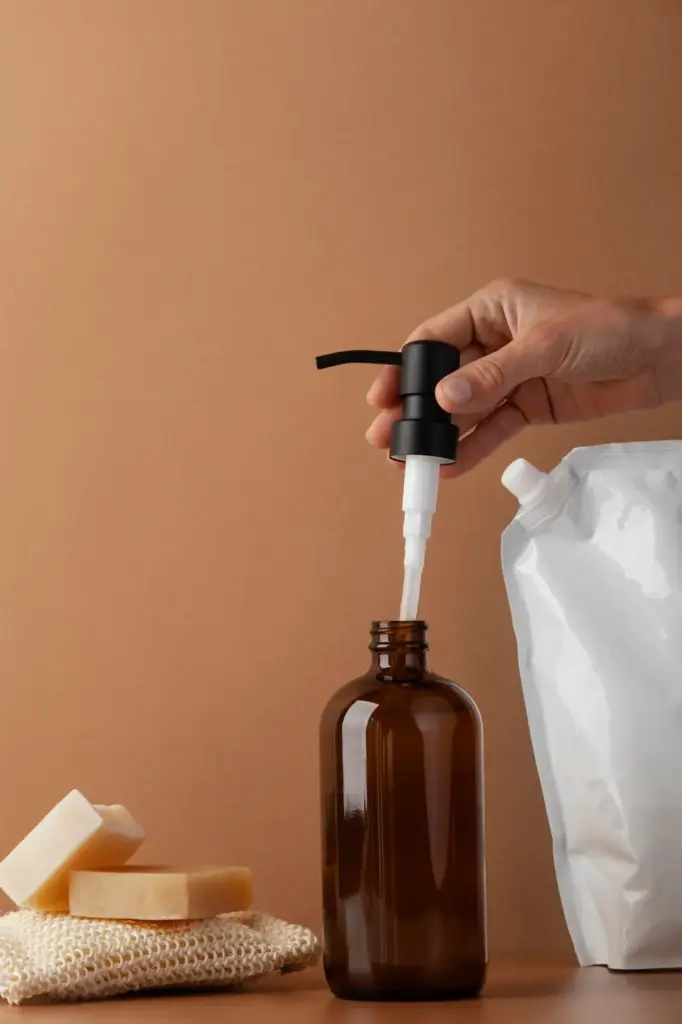
Laundry liquids, dish soaps, and multipurpose cleaners prefer sturdy, non‑reactive containers with calibrated spouts and air returns. Pumps designed for thicker formulas reduce mess and preserve accuracy. Opaque walls can protect light‑sensitive ingredients, while tamper‑evident rings maintain confidence between refills. Clear measurement marks shorten chore time and avoid overuse. When hardware meets chemistry, the result is a smooth, satisfying pour that feels professional at home and saves product, time, and nerves with every squeeze or pump.

Dry goods that stay fresh

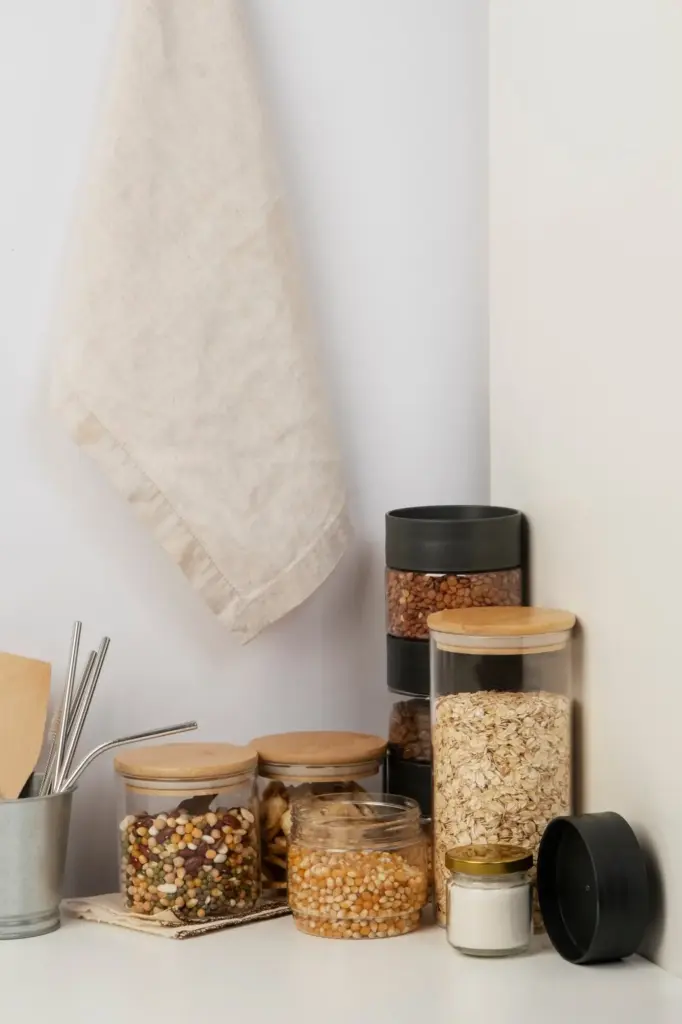
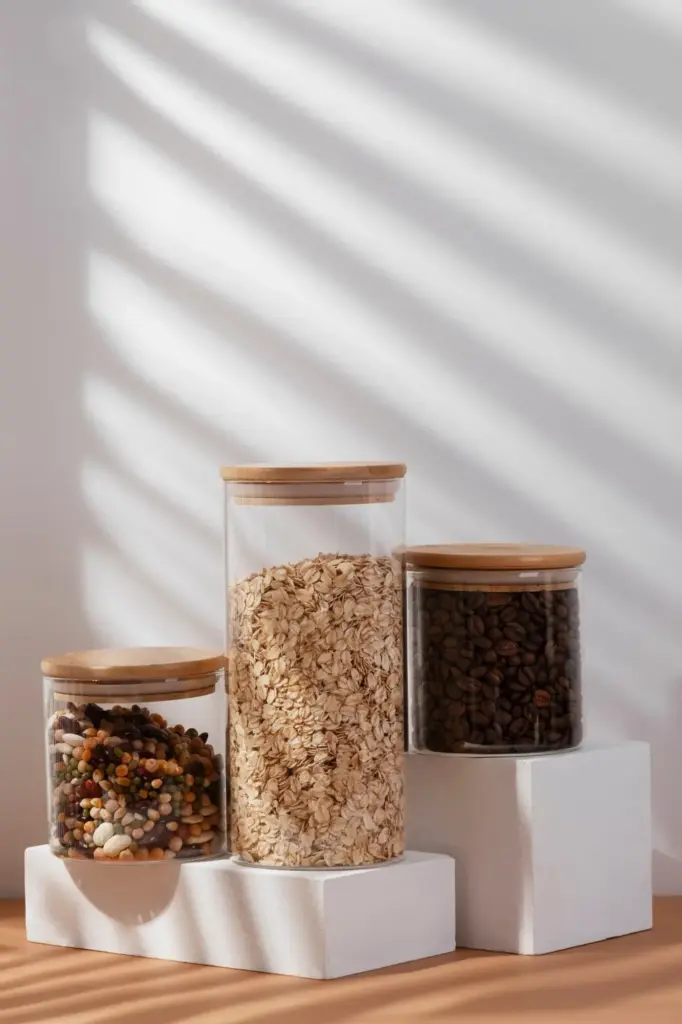
Rice, oats, beans, and baking staples thrive in containers that block humidity, odors, and pests. Wide mouths ease scooping without generating clouds of dust. Food‑safe seals hold aroma while preventing cross‑flavor surprises in the pantry. Dispensers should minimize crumbling and protect fragile grains. Thoughtful labeling helps track roast dates, varietals, or cooking times. Refill stations that respect these details deliver pantry experiences that rival specialty shops, minus the disposable bags that tear exactly when you need them least.

Personal care with pampering standards

Shampoos, conditioners, lotions, and body washes call for hygienic dispensing, gentle handling, and fragrance integrity. Smooth‑walled containers rinse cleanly, reducing residue build‑up between cycles. Pumps with one‑way valves protect formulas from air and backflow. Clear batch codes and ingredient lists reassure sensitive skin. When everything feels spa‑grade—silky flow, tidy closures, subtle scents—you look forward to refilling, not just tolerating it. That small upgrade turns a morning routine into a moment of calm reinforced by dependable, repeatable quality.

Packaging Built to Come Home Again

Materials that endure and protect

Stainless steel, tempered glass, and robust food‑safe polymers each play roles depending on product chemistry and handling. Steel resists light, holds temperature, and survives knocks. Glass offers neutrality and visual clarity. High‑grade polymers reduce weight while maintaining impact resistance. Gaskets, liners, and closures are chosen to prevent flavor carryover and maintain pressure when needed. Together, these materials form a toolkit matched to different essentials, supporting countless cycles without feeling industrial or heavy in the hand.

Design that speeds the ritual

Easy‑open caps, textured grips, and clear measurement windows remove friction from repetitive tasks. Color‑coded rings or raised symbols guide quick identification in dim cupboards. Wide mouths invite fast cleaning and refilling without funnels, while drip‑free lips keep counters spotless. Containers nest when empty and stack when full, saving space either way. By shaving seconds from small moments, design invites consistent participation, turning refills from a chore into a quick, almost satisfying click‑and‑go gesture you barely notice performing.

Smart labels that unlock clarity

QR codes and NFC tags link to ingredient lists, safety sheets, refilling instructions, and local return options. Batch numbers track quality, and refill histories support warranties or loyalty rewards. Icons explain disposal alternatives for damaged units and share recycling backups if reuse ends. Accessibility features—contrast, large type, tactile markers—welcome more users. Information becomes portable, trustworthy, and instantly updated without printing new labels every change. That transparency increases confidence and smooths the learning curve for newcomers discovering circular choices for the first time.

Dollars, Deposits, and Fair Incentives
Economics make refill and return durable when everyone benefits. Households save by avoiding repeated packaging costs. Retailers earn loyalty and predictable demand. Producers cut material expenses and stabilize forecasting. Deposits align incentives, ensuring containers come back, while loyalty credits reward consistent participation. Policymakers can reduce waste fees and recognize standardized designs that streamline operations. Because the system is measurable, it supports clear reporting, credible impact claims, and honest prices. When rewards match effort, sustainable habits feel rational, not sacrificial.

Start Today: A Simple Plan for Your Household

Beginning is easier than it looks. Choose two products you buy often, pick sturdy containers that feel good in your hand, and locate the nearest refill option. Set a reminder aligned with laundry day or market visits. Label caps clearly, track deposit credits, and celebrate small wins. Share one tip with a friend, then learn one from them. Iteration beats perfection; every loop reinforces the next. Soon, refilling will be as routine as brewing coffee or sorting mail.

Try a 30‑day circular challenge

Choose three essentials to refill for one month, tracking costs, time, and trash volume. Snap before‑and‑after photos of your recycling bin and under‑sink area. Share updates weekly to keep momentum high and inspire others. Small experiments build confidence, exposing which stations, containers, and schedules fit your life. At month’s end, reflect honestly—what felt clumsy, what felt effortless—and adjust. Progress, not perfection, turns experiments into resilient habits that last beyond a single trial.

Show your setup and teach a neighbor

Host a quick kitchen tour on video or invite a friend over while you refill. Demonstrate labels, pumps, and how you avoid drips. Offer a list of local stations and a starter checklist for containers. When neighbors see how ordinary the process looks, skepticism fades. A few minutes of peer‑to‑peer guidance can convert curiosity into action, spreading comfort and knowledge faster than any ad campaign. Community moves hearts—and containers—farther and faster than going it alone.

Subscribe and shape what comes next

If you want comparisons, product tests, or deep dives into container materials and safety standards, sign up and send your requests. Your questions guide future pieces, interviews with operators, and neighborhood pilot updates. Expect thoughtful answers, practical checklists, and real‑world stories that respect your time. Every message helps prioritize what matters most to busy households. Together, we will keep improving, learning, and celebrating the everyday wins that make sustainable choices feel rewarding and refreshingly normal.
Rizuvapotuvuximazi
Privacy Overview

This website uses cookies so that we can provide you with the best user experience possible. Cookie information is stored in your browser and performs functions such as recognising you when you return to our website and helping our team to understand which sections of the website you find most interesting and useful.